
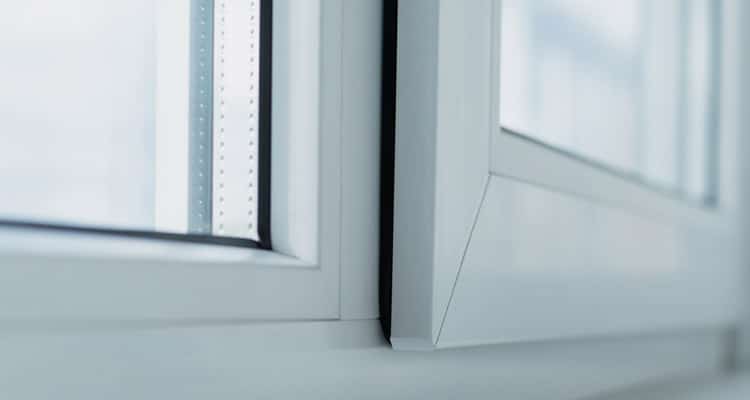
When it comes to energy efficiency in your home, the type of window frame you choose plays a significant role. While many homeowners focus on glass type or window style, the material surrounding the glass, the frame, can dramatically affect insulation, energy bills, and overall comfort. Understanding the differences between frame materials can help you make an informed choice for both performance and aesthetics. Our window experts at Emmons are here to explain how window frame materials affect energy efficiency.
Choosing The Right Frame Material For Energy Savings
Vinyl Windows
Vinyl frames are a popular choice due to their affordability and energy performance. Vinyl is naturally resistant to heat transfer, which helps maintain indoor temperatures and reduces reliance on heating and cooling systems. Also, vinyl frames require minimal maintenance and won’t warp or rot over time. Their versatility allows for various colors and finishes, making them a practical option for energy-conscious homeowners.
Wood Windows
Wood frames offer excellent insulation and a classic aesthetic. Natural wood is a poor conductor of heat, meaning it keeps warm air inside during winter and blocks heat from entering during summer. However, wood does require more maintenance than other materials, including periodic painting or sealing to prevent rot and decay. For homeowners willing to invest in upkeep, wood frames provide unmatched energy efficiency and timeless appeal.
Aluminum Windows
Aluminum frames are lightweight, durable, and require little maintenance. Historically, aluminum was a poor choice for energy efficiency due to its high thermal conductivity, which allowed heat to escape easily. Modern aluminum frames often include a thermal break, which is an insulating layer within the frame, that significantly improves energy performance. While aluminum may not provide the same insulation as vinyl or wood, it’s ideal for larger windows or modern architectural designs where strength is a priority.
Fiberglass Windows
Fiberglass frames combine strength, durability, and energy efficiency. They resist warping, expanding, and contracting, which helps maintain a tight seal against drafts. Fiberglass also has low thermal conductivity, meaning it does an excellent job of preventing heat transfer. While slightly more expensive than vinyl or aluminum, fiberglass frames offer long-term energy savings and minimal maintenance, making them a smart investment for energy-conscious homeowners.
Composite Windows
Composite frames, made from a combination of materials such as wood and resin, offer the benefits of multiple frame types. These frames provide strong insulation, low maintenance, and excellent durability. Composite windows are designed to minimize heat transfer and can be customized to match various home styles, making them an increasingly popular choice for energy-efficient upgrades.
Choosing The Right Frame For Your Home
Selecting the right window frame material depends on your budget, aesthetic preference, and energy efficiency goals. Properly insulated frames can prevent drafts, reduce energy bills, and improve the comfort of your home year-round. It’s also important to consider professional window installation, as even the best materials can underperform if installed incorrectly.
The window experts at Emmons specialize in guiding homeowners through frame selection, offering recommendations based on your home’s needs and energy goals. From vinyl to fiberglass to composite materials, our team ensures every window installation maximizes efficiency and enhances your home’s comfort.
Contact Emmons Today For Energy-Efficient Windows
Investing in energy-efficient windows is more than just a home improvement project. It’s a long-term strategy to save on energy costs, increase comfort, and add value to your property. Contact Emmons window professionals today to schedule a consultation, or if you’re still wondering how window frame materials affect energy efficiency.


