
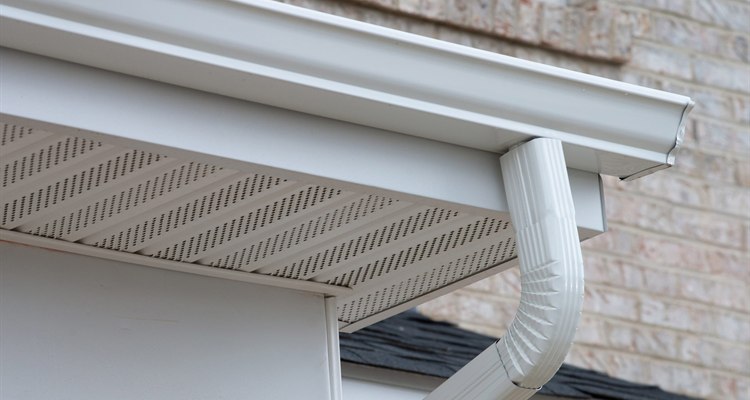
Winter weather can be especially harsh on your home’s exterior, and your gutters are often the first line of defense against snow and ice buildup. When gutters become clogged, frozen, or overloaded with snow, they can crack, sag, or even detach from your home entirely. Understanding how to protect your gutters from snow and ice damage is essential for preserving your roof, siding, foundation, and landscaping.
Our experts at Emmons are here to explain practical, preventative steps homeowners can take to reduce winter gutter damage and avoid costly repairs.
Why Snow and Ice Are So Hard on Gutters
Gutters are designed to channel rainwater safely away from your home. However, in freezing temperatures, melting snow can refreeze inside the gutter system. This creates heavy ice blockages that add significant weight and prevent proper drainage.
When this happens, several problems can occur:
- Ice dams form along the roofline
- Water backs up under shingles
- Gutters pull away from the fascia
- Downspouts become blocked
- Water overflows and freezes on walkways
The freeze-thaw cycle is particularly damaging because it repeatedly expands and contracts materials, weakening fasteners and seams over time.
1. Keep Gutters Clean Before Winter
The most important step in preventing snow and ice damage is making sure your gutters are completely clear before the first snowfall. Leaves, pine needles, and debris trap moisture, making it easier for ice to form.
Schedule a thorough gutter cleaning in late fall to remove:
- Leaves and organic debris
- Twigs and dirt
- Roofing granules
- Obstructions in downspouts
Clean gutters allow melting snow to drain efficiently instead of pooling and freezing.
2. Install Gutter Guards
Gutter guards are a proactive way to reduce debris buildup throughout the year. By preventing leaves and debris from entering the gutter system, they help maintain consistent water flow, even during winter.
While gutter guards won’t completely eliminate ice formation, they significantly reduce blockages that contribute to ice dams. For homes in snowy climates, this added protection can make a major difference.
3. Improve Roof Ventilation and Insulation
Many ice dam issues begin on the roof, not in the gutters. Poor attic insulation and ventilation cause uneven roof temperatures. When warm air escapes from your attic, it melts snow on the roof. That water flows down to the colder eaves and refreezes, creating ice dams.
To reduce this risk:
- Ensure attic insulation meets recommended R-values
- Seal air leaks in the attic floor
- Install proper ventilation to maintain consistent roof temperatures
Balanced airflow helps prevent premature snow melt and refreezing at the gutter line.
4. Ensure Proper Gutter Slope and Secure Fasteners
Gutters should have a slight downward slope toward the downspouts to encourage drainage. If they are improperly pitched, water will pool and freeze more easily.
Before winter arrives:
- Check for sagging sections
- Tighten loose fasteners
- Replace worn-out brackets
- Confirm water flows freely toward downspouts
Secure, properly sloped gutters are far less likely to accumulate standing water that turns to ice.
5. Upgrade to Heavy-Duty Materials
If your current gutter system is older or made from lightweight materials, winter weather can take a toll quickly. Heavy snow accumulation combined with ice weight can bend or crack thinner gutters.
Consider upgrading to:
- Seamless aluminum gutters
- Steel or high-capacity systems
- Reinforced brackets and hangers
Stronger materials provide better long-term durability in areas prone to snowstorms and freezing temperatures.
6. Use Heated Gutter Cables (When Appropriate)
In areas with frequent ice dam problems, heated gutter cables can help. These cables run along the roof edge and inside gutters to melt ice and maintain water flow.
However, they should be professionally installed to ensure safety and efficiency. Improper installation can lead to electrical hazards or roof damage.
7. Remove Snow Safely
After heavy snowfalls, safely removing excess snow from your roof can reduce strain on gutters. Using a roof rake from the ground (never climbing onto an icy roof) helps prevent large ice formations along the eaves.
Avoid chipping ice directly from gutters, as this can cause cracking or denting. If significant ice buildup occurs, it’s best to contact a professional.
Signs Your Gutters Have Winter Damage
Even with preventative measures, it’s important to inspect your gutters after winter. Addressing minor issues early can prevent more extensive repairs in the spring. Look for:
- Cracks or splits
- Sagging sections
- Loose fasteners
- Water stains on siding
- Peeling paint near rooflines
Protect Your Home Before the Next Winter Storm
Snow and ice damage can compromise more than just your gutters. It can impact your roof, siding, and foundation if left unchecked. Preventative maintenance, proper installation, and high-quality materials all play a role in protecting your home during harsh winter months.
If you’re concerned about your gutter system’s ability to handle snow and ice, now is the time to act. Contact Emmons to discuss your gutter needs. Our experienced team can inspect your system, recommend upgrades, and help ensure your home stays protected all winter long.


