
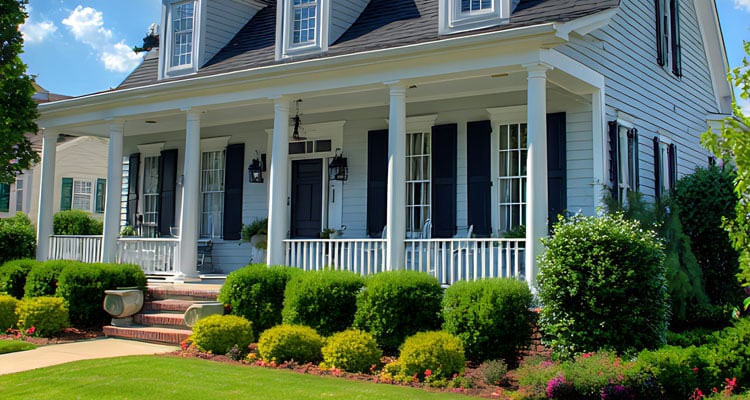
Choosing the right exterior cladding is a big decision. It impacts your home’s curb appeal, durability, maintenance needs, and even energy efficiency. With so many options available, it can be tough to know what’s best for your home. Here’s a breakdown of some of the most popular exterior cladding materials, the pros and cons of each, and what to consider before making a choice. Our professionals at Emmons are here to help.
Vinyl Siding
Pros: Vinyl siding is one of the most popular choices for homeowners, and for good reason. It’s low maintenance, doesn’t require painting, and holds up well against moisture. It’s also available in a wide range of colors and styles, making it easy to match your home’s look.
Cons: While durable, vinyl can crack in extreme cold or warp in high heat. It also may not offer the same high-end appearance as some other materials.
Fiber Cement Siding
Pros: Fiber cement siding is known for its strength and versatility. It can mimic the look of wood, stucco, or masonry while offering excellent resistance to fire, pests, and rot. It’s a great option if you want durability without sacrificing appearance.
Cons: It’s heavier than other materials and requires professional installation. Maintenance is moderate, as it may need repainting over time.
Wood Siding
Pros: Wood siding offers a classic, natural look that’s hard to beat. It’s highly customizable with stains and paints, allowing homeowners to achieve a unique aesthetic.
Cons: Wood requires regular maintenance to prevent issues like rot, pests, and moisture damage. Without proper care, it can deteriorate faster than other materials.
Engineered Wood Siding
Pros: Engineered wood, also known as composite, gives you the appearance of real wood but with improved durability. It’s more resistant to moisture and pests and typically requires less maintenance than traditional wood.
Cons: While more durable than natural wood, it still requires some upkeep and may not last as long as fiber cement or other synthetic options.
Stucco
Pros: Stucco is a durable and energy-efficient option, especially in certain climates. It provides a seamless, textured look and can last for decades when properly maintained.
Cons: It can crack over time, especially in areas with shifting soil or extreme temperature changes. Repairs can be more noticeable compared to other materials.
Metal Siding
Pros: Metal siding, including aluminum and steel, is incredibly durable and resistant to fire, insects, and rot. It’s also a low-maintenance option that can last a long time.
Cons: It can be prone to dents and may not suit every home style. Some homeowners also find it less visually warm compared to other materials.
Factors to Consider Before Choosing Exterior Cladding
Beyond just appearance, there are several important factors to think about when selecting exterior cladding. Climate plays a major role, as some materials perform better in certain weather conditions than others. Maintenance expectations are another key consideration. Some homeowners prefer a low-maintenance option like vinyl or aluminum, while others are willing to invest time into maintaining wood for its natural beauty. Budget, lifespan, and energy efficiency should also factor into your decision, as the right material can impact both upfront costs and long-term value.
Let Emmons Help You Choose the Right Cladding for Your Home
Each cladding material comes with its own set of benefits and trade-offs. The right choice depends on your priorities, whether that’s low maintenance, long-term durability, or achieving a specific look.
Working with experienced professionals makes a difference. At Emmons, our team understands how to match the right materials to your home’s structure, style, and environment. If you’re considering upgrading your home’s exterior, contact us online today. We’re here to help you explore your options and answer any additional questions you may have regarding all the pros and cons of different exterior cladding materials.


