
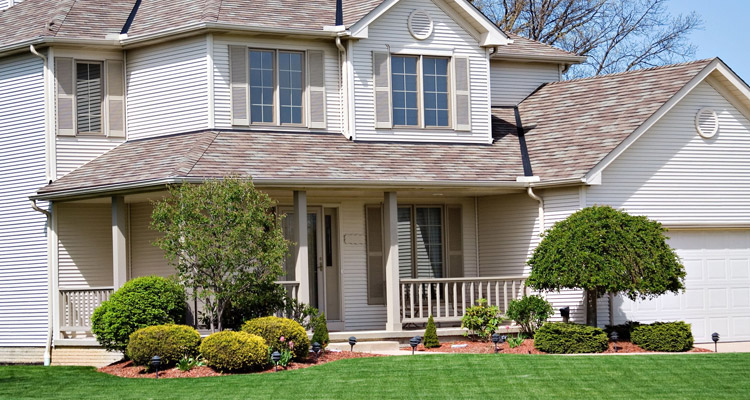
When homeowners think about exterior colors, they often focus on curb appeal and personal style. At Emmons, we’ve worked with homeowners throughout Southeastern Pennsylvania who are surprised to learn that color selection can influence more than just appearance. In our experience, darker roofing materials tend to retain noticeably more heat during the summer months, especially on homes with significant sun exposure and limited shade coverage. While color is only one factor in a home’s overall energy performance, we’ve seen how choosing the right roofing and siding products can contribute to improved comfort and help reduce the strain on HVAC systems.
While appearance is certainly important, the colors you choose for your roofing, siding, and other exterior materials can also have a significant impact on your home’s energy efficiency. Certain colors absorb more heat from the sun, while others reflect it, influencing indoor temperatures and potentially affecting your monthly utility bills. Understanding how exterior color choices affect heat absorption and energy efficiency can help you make smarter decisions when planning a roofing or siding project.
Why Exterior Colors Matter
Sunlight contains radiant energy that is absorbed or reflected by the surfaces it strikes. Darker colors tend to absorb more of that energy, while lighter colors reflect a greater percentage of it.
As exterior materials absorb heat, their temperatures rise. That heat can then transfer into your home’s attic, walls, and living spaces, causing your air conditioning system to work harder during warmer months. The effect is especially noticeable on roofing systems because roofs receive direct sunlight for much of the day.
Dark Colors Absorb More Heat
Dark-colored roofing and siding materials typically absorb a larger amount of solar energy. Popular colors such as black, dark gray, deep brown, and navy blue can become significantly hotter than lighter-colored alternatives during sunny weather.
While darker colors often create a bold, attractive appearance, homeowners should understand that these materials may contribute to:
- Higher attic temperatures
- Increased cooling demands
- Greater strain on HVAC systems
- Higher summer energy bills
This doesn’t mean dark colors should always be avoided, but it’s important to consider their impact on overall energy performance.
Light Colors Reflect More Sunlight
Lighter exterior colors generally reflect more sunlight and absorb less heat. White, beige, light gray, cream, and other lighter shades can help keep roofing and siding surfaces cooler throughout the day.
Benefits of lighter-colored exteriors may include:
- Reduced heat transfer into the home
- Improved indoor comfort
- Lower cooling costs
- Less stress on air conditioning equipment
In warmer climates or homes that receive substantial sun exposure, lighter colors can contribute to noticeable energy savings over time.
Roofing Color Has The Greatest Impact
While siding color plays a role in heat absorption, roofing color often has the largest effect on energy efficiency. Since the roof receives the most direct sunlight, its surface temperature can vary dramatically depending on the color and material selected. A dark roof may reach temperatures far higher than a light-colored roof on the same day. This additional heat can build up in the attic and force cooling systems to work harder.
Today’s roofing products offer a wide range of energy-efficient options, including reflective shingles that are specifically designed to reduce solar heat gain while still providing attractive color choices.
Other Factors Influence Energy Efficiency
Although color is important, it is only one piece of the puzzle. Several other factors affect how much heat enters a home, including:
Roofing Material: Different roofing materials absorb and release heat differently. Modern roofing products often include technologies that improve reflectivity regardless of color.
Attic Ventilation: Proper attic ventilation helps remove excess heat that builds up beneath the roof. Even a darker roof can perform more efficiently when paired with a well-designed ventilation system.
Insulation: Adequate insulation acts as a barrier that slows heat transfer between your attic and living spaces. Proper insulation can significantly improve comfort and energy efficiency year-round.
Home Orientation: The direction your home faces and the amount of direct sunlight it receives can influence how much heat is absorbed by exterior surfaces.
Balancing Efficiency and Curb Appeal
The good news is that homeowners no longer have to choose between energy efficiency and attractive design. Advances in roofing and siding products have made it possible to achieve both.
Many modern roofing systems offer energy-efficient technology in a wide variety of colors, allowing homeowners to complement their home’s architecture while still improving performance. Working with experienced professionals can help you select products that balance aesthetics, durability, and efficiency.
Trust Emmons Roofing & Siding For Expert Guidance
Choosing the right exterior colors involves more than simply selecting a shade you like. At Emmons, our team helps homeowners select high-quality roofing and siding solutions that enhance curb appeal while supporting energy efficiency goals. Whether you’re planning a roof replacement, siding upgrade, or complete exterior renovation, we’re here to help. Contact us online today to discuss your project and discover the best exterior options for your home.


