
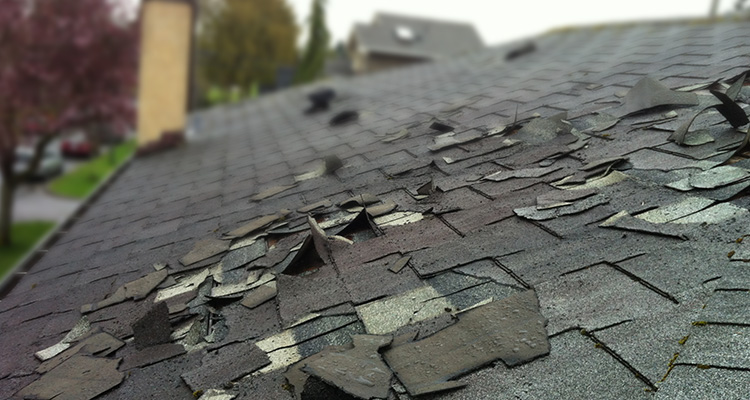
High winds can cause serious damage to your roof, even if everything appears normal from the ground. Our pros at Emmons have found that some of the most significant storm-related roof issues begin with damage that’s nearly impossible to spot from the yard. During post-storm inspections throughout our service area, we frequently discover lifted shingles, loosened flashing, and compromised roof seals that haven’t yet caused visible leaks inside the home. Addressing these problems early often prevents moisture intrusion and helps homeowners avoid much more extensive repairs later.
Knowing how to identify wind damage on your roof after a storm can help you catch damage early and protect your home from additional issues. Our experts at Emmons have all the information you need.
What To Check After A Windstorm
Start With A Ground-Level Inspection
The safest way to inspect your roof after a storm is from the ground. There’s no need to climb onto your roof, especially if it may have been damaged or is still wet.
Walk around your home and look for visible warning signs, such as:
- Missing shingles
- Pieces of shingles or roofing materials in your yard
- Bent or detached gutters
- Loose fascia or soffit panels
- Fallen tree limbs resting on the roof
- Debris scattered across the roof surface
Even if you don’t notice significant damage, it’s still possible that high winds affected areas that aren’t visible from below.
Look For Missing Or Lifted Shingles
One of the most common types of wind damage is missing or lifted shingles. High winds can break the adhesive seal that keeps shingles securely attached to your roof. Once lifted, shingles become vulnerable to tearing away completely during future storms.
Pay close attention to:
- Bare patches on the roof
- Shingles that appear crooked or uneven
- Curled or lifted edges
- Sections where shingles have shifted out of place
A single missing shingle can expose the underlying roof deck to moisture, increasing the risk of leaks and wood rot.
Check Your Gutters and Downspouts
Your gutters often provide valuable clues about roof damage. After a storm, inspect them for roofing granules that have washed off asphalt shingles. While a small amount of granule loss is normal over time, a large accumulation following a windstorm may indicate damaged or aging shingles.
Also look for:
- Dented gutters
- Gutters pulling away from the house
- Loose fasteners
- Downspouts that have become disconnected
Inspect Your Attic For Signs Of Leaks
Not all roof damage is visible from the outside. After a severe storm, take a look inside your attic for signs that water may be entering your home.
Warning signs include:
- Water stains on rafters or insulation
- Damp insulation
- Visible daylight coming through the roof boards
- Mold or mildew growth
- Musty odors
Even a small roof leak can spread over time, leading to damaged insulation, drywall, and framing if left untreated.
Examine Flashing and Roof Penetrations
Wind doesn’t just affect shingles. It can also loosen or damage the flashing around chimneys, skylights, vents, and roof valleys.
If flashing becomes bent, separated, or detached, water can easily work its way beneath the roofing materials. These vulnerable areas are often where leaks begin after a major storm. Because flashing damage can be difficult to spot from the ground, a professional inspection from Emmons is often the best way to identify hidden problems.
Don’t Ignore Minor Damage
Many homeowners assume that if the roof isn’t actively leaking, there’s nothing to worry about. However, even minor wind damage can worsen over time. Loose shingles can continue lifting with each storm, allowing water to penetrate beneath the roofing system. Moisture intrusion can eventually lead to:
- Interior water damage
- Mold growth
- Rotted roof decking
- Higher repair costs
- Reduced roof lifespan
Addressing problems early is almost always less expensive than waiting until more extensive damage develops.
Schedule A Professional Roof Inspection
While a visual inspection from the ground is a good first step, many forms of wind damage require a trained eye to identify. Professional roofing contractors know where to look for subtle issues that homeowners may overlook, helping prevent future leaks and structural damage.
If your area recently experienced strong winds or severe weather, it’s a smart idea to have your roof inspected even if everything appears to be in good condition.
Protect Your Home With Help From Emmons Roofing & Siding
If you suspect your roof has suffered wind damage, don’t wait for a leak to appear before taking action. Our experienced team at Emmons Roofing & Siding provides thorough roof inspections to identify storm damage and recommend the most effective repair solutions. Whether your roof needs a few replacement shingles or more extensive storm damage repairs, we’re here to restore your home’s protection and give you peace of mind. Contact us online today to schedule a professional roof inspection, or to learn more about how to identify wind damage on your roof after a storm.


