
Industrial Roof Replacement and Installation
Protecting Your Facility, Assets, and Operations
Industrial buildings rely on durable, high-performing roofing systems to protect equipment, inventory, employees, and day-to-day operations. Whether you operate a manufacturing plant, warehouse, distribution center, processing facility, or other large-scale commercial property, the condition of your roof plays a critical role in maintaining a safe and productive environment. When an aging or damaged roof can no longer provide reliable protection, investing in an industrial roof replacement may be the most cost-effective long-term solution.
A professionally installed industrial roofing system can improve energy efficiency, reduce maintenance costs, enhance weather protection, and provide decades of dependable performance.
Short Estimate Form
"*" indicates required fields
Signs You May Need to Replace Your Industrial Building’s Roof
Industrial roofs are designed to withstand harsh conditions, but even the best roofing systems eventually reach the end of their service life. Identifying problems early can help property owners avoid costly disruptions and damage. While repairs can often address isolated issues, widespread deterioration typically signals that replacement is the smarter investment.
Does My Building Need a Roof?
- Frequent roof leaks
- Ponding water that remains after rainfall
- Cracked, blistered, or deteriorated roofing materials
- Rust or corrosion on metal roofing components
- Increased energy costs due to poor insulation
- Water stains on ceilings or walls
- Damaged flashing around rooftop equipment
- Structural concerns caused by moisture intrusion
Certified Commercial Roofing Contractor Services
Emmons Roofing & Siding is an experienced and credentialed commercial roofing contractor. We’re highly rated by the Better Business Bureau and Angie’s List.
- Fully Licensed & Insured in New Jersey & Pennsylvania
- National Roofing Contractor Association (NRCA) Member
- GAF Authorized™ Roofing Contractor
- Owens Corning™ Platinum Preferred Contractor
- UNIFLEX® Authorized Premier Roofing Contractor
- CertainTeed ShingleMaster™
Common Industrial Roofing Systems We Install
Industrial buildings often require specialized roofing systems capable of handling large roof spans, mechanical equipment, and demanding environmental conditions.
Asphalt Roofing
When it comes to roofing, asphalt shingles are the most popular because they’re available in a variety of textures and colors, have a traditional aesthetic and are very affordable. They have stone or ceramic granules on the surface to protect against ultraviolet rays and climate conditions, so they’re known for their durability.
Metal Roofing System
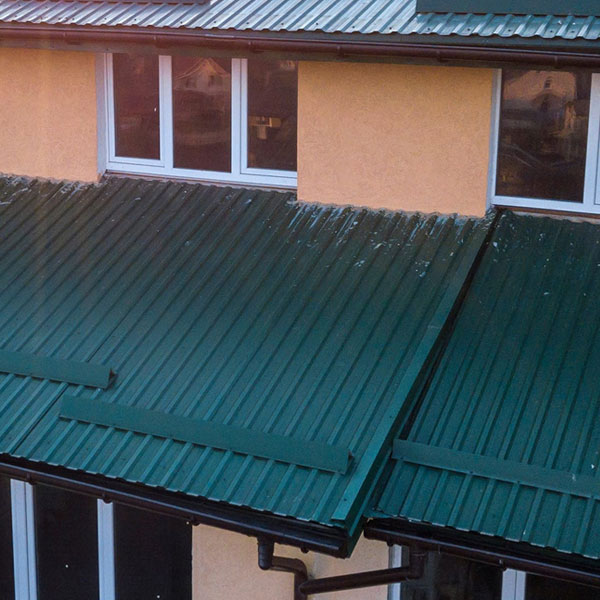
For commercial roofing systems, metal roofing is very popular because it’s durable and can last for four to six decades depending on how well it’s maintained. Metal roofs are available in an assortment of metals, and they’re more fire-resistant, sustainable, and stronger than many other materials that a commercial roofing contractor can install.
TPO (Thermoplastic)
Thermoplastic polyolefin is a type of roof membrane that’s lightweight and heat-reflective as well as resistant to many elements, including punctures, bacterial growth, fats and oils, and fires. With air-welded seams, TPO roofing is very tolerant of high winds and extreme temperatures, which is why a commercial roofing contractor could recommend it.
EPDM (Single-Ply Rubber)
Ethylene propylene diene monomer is a synthetic rubber roofing membrane that comes in black and white rolls and strongly resists pollution, sunlight, alcohol and acids. As a result, this single-ply rubber, which may be referred to as thermoset roofing, is very versatile and easy to install and can last for 50 years or longer.
Modified Bitumen
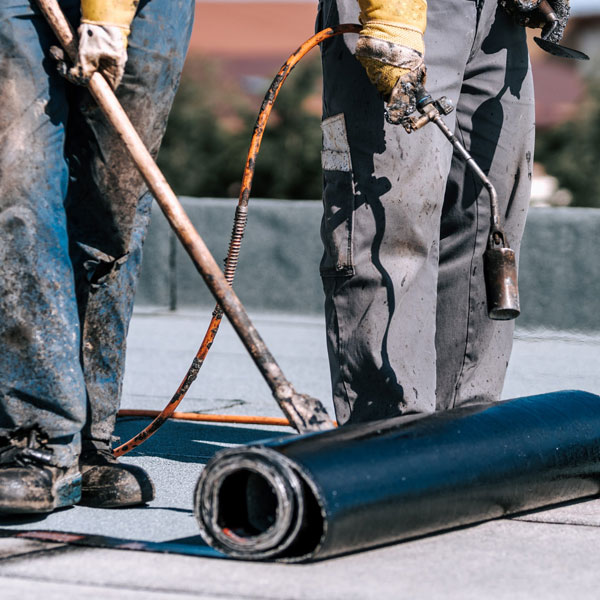
Modified bitumen, also known as mod bit or MB, is an asphalt-derived roofing substance that has gained significant popularity in the U.S as a viable substitute for conventional built-up roofing. This roofing solution is designed to endure for approximately two decades with minimal maintenance required.
Built-Up Roofing (BUR)
As the name suggests, a built-up roof is made by alternating layers of gravel and tar, which means that the durability and cost are directly related to the number of layers that are installed. Although this type of seamless roof is the most flexible, holds up well to foot traffic and can resist heat and UV rays, it has the shortest average lifespan of 20 years.
Benefits of Replacing an Industrial Roof
Replacing an aging roof offers several advantages beyond simply stopping leaks. Modern industrial roofing systems are engineered to provide superior performance and long-term value.
1. Enhanced Protection
Industrial facilities often house expensive machinery, raw materials, finished products, and sensitive equipment. A new roofing system creates a strong barrier against rain, snow, wind, and extreme temperatures, helping protect valuable assets.
2. Improved Energy Efficiency
Many modern industrial roofing systems incorporate reflective materials and advanced insulation technologies. These features help reduce heat transfer, improve indoor comfort, and lower heating and cooling expenses throughout the year.
3. Reduced Maintenance Costs
Older roofs often require frequent repairs and ongoing maintenance. Replacing the roof eliminates recurring issues and significantly reduces the need for emergency service calls and patchwork repairs.
4. Better Building Performance
A new industrial roof can improve overall building performance by preventing moisture infiltration, reducing temperature fluctuations, and supporting a healthier indoor environment.
5. Increased Property Value
An updated roofing system is a valuable asset for industrial property owners. Whether you plan to retain ownership or sell the facility in the future, a new roof can enhance the property’s marketability and appeal.
The Industrial Roof Replacement Process
A successful industrial roof replacement begins with a comprehensive roof assessment. Roofing professionals evaluate the condition of the existing roof, identify underlying issues, and recommend the most suitable replacement options. Once a roofing system is selected, project planning becomes a critical step. Industrial roofing contractors work closely with facility managers to minimize operational disruptions and ensure safety throughout the project.
The existing roofing materials are then removed or prepared for installation depending on the system being used. Any damaged decking or structural components are repaired before the new roofing materials are installed. After installation, the roof undergoes a thorough inspection to verify workmanship, ensure proper drainage, and confirm that all components meet manufacturer specifications.
Why Professional Installation Matters
Industrial roof replacement projects require a higher level of expertise than typical residential roofing work. The size of industrial facilities, the presence of specialized equipment, strict safety standards, and the need to keep business operations running all contribute to the complexity of these projects. Working with an experienced industrial roofing contractor helps ensure the right roofing materials are selected, all applicable building codes are met, and the project is completed safely and efficiently. Professional installation can also help preserve manufacturer warranty coverage while maximizing the long-term performance and durability of the roofing system. Skilled industrial roofing contractors understand how to navigate the unique demands of commercial and industrial properties, allowing them to complete projects on schedule while minimizing disruptions to daily operations.
Planning For Long-Term Roof Performance
An industrial roof replacement is a major investment, making long-term planning essential. Property owners should consider routine inspections and preventive maintenance programs after installation to maximize the lifespan of their new roof.
Regular maintenance can help identify minor issues before they become major problems, extending roof life and protecting the facility from unexpected repairs. A proactive approach helps preserve the value of the investment and ensures reliable protection for years to come.
Contact Emmons For Industrial Building Roofing Solutions
If your facility is experiencing roofing problems or your existing roof is approaching the end of its lifespan, now is the time to explore your replacement options. A professionally installed industrial roof can improve efficiency, reduce maintenance expenses, and provide dependable protection for your operations.
Contact Emmons today to discuss your industrial building roofing needs. Our experienced team can evaluate your current roofing system, recommend the best replacement solution for your facility, and provide expert installation services designed to deliver long-lasting performance and value.


