
Roof Underlayment Replacement
The Importance of this Unseen Protection
Your roof is made up of multiple layers that work together to protect your home from rain, wind, snow, and extreme temperatures. While shingles often receive the most attention, one of the most important components of any roofing system is the underlayment. Hidden beneath the visible roofing materials, roof underlayment serves as a critical moisture barrier that helps prevent water infiltration and structural damage.
Over time, underlayment can deteriorate due to age, weather exposure, leaks, and roofing system failures. When this protective layer becomes compromised, replacing it can be essential to maintaining the integrity of your home. Understanding the purpose of roof underlayment and recognizing when replacement is necessary can help homeowners avoid costly repairs and extend the lifespan of their roofing system.
Short Estimate Form
"*" indicates required fields
What Is Roof Underlayment?
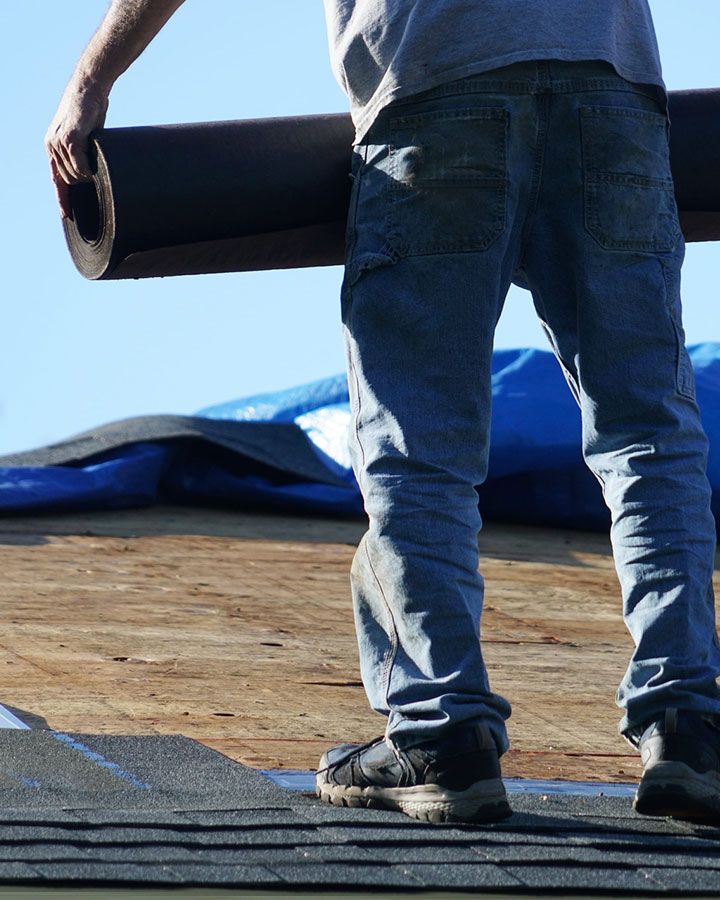
Roof underlayment is a water-resistant or waterproof layer installed directly over the roof deck before shingles, metal panels, or other roofing materials are applied. Serving as a critical secondary barrier against moisture, underlayment helps protect the roof deck from water intrusion if the outer roofing materials become damaged or compromised. It plays an important role in reducing the risk of leaks, improving weather resistance, and enhancing the overall durability and lifespan of the roofing system. Underlayment also provides temporary protection for the roof deck during the installation process. Without properly functioning underlayment, even small amounts of water can penetrate the roofing system, potentially causing damage to the roof deck, insulation, and attic over time.
When Is Roof Underlayment Replaced?
In most situations, roof underlayment is replaced as part of a complete roof replacement because the existing shingles or other roofing materials must be removed to access it. Replacing underlayment alone is typically not practical unless extensive roofing work is already underway. During a roof replacement project, roofing professionals can evaluate the condition of the roof deck, address any underlying issues, and install new underlayment to provide reliable, long-term protection against moisture. Underlayment replacement is often necessary when a roof has reached the end of its lifespan, sustained major storm damage, experienced widespread leaks, undergone roof deck repairs, or suffered significant moisture intrusion that has compromised the integrity of the roofing system.
Types of Roof Underlayment
Several types of roof underlayment are commonly used in residential roofing systems.
Asphalt-Saturated Felt
Often referred to as roofing felt or tar paper, asphalt-saturated felt has been used in roofing systems for decades. This type of underlayment consists of organic or fiberglass materials that are saturated with asphalt to create a water-resistant barrier between the roof deck and the outer roofing materials. Asphalt-saturated felt remains a popular option because it provides reliable performance, offers cost-effective installation, and is suitable for a wide range of roofing applications. However, over time, felt underlayment can become brittle, weaken, and tear due to age and prolonged exposure to changing weather conditions.
Synthetic Underlayment
Synthetic underlayment is a modern roofing material made from durable polypropylene or polyethylene materials designed to provide enhanced strength and weather resistance. Compared to traditional felt, synthetic underlayment offers greater tear resistance, lightweight construction, improved moisture protection, a longer lifespan, and better UV resistance during the installation process. Because of these advantages, many modern roofing systems use synthetic underlayment as a reliable solution for improving roof durability and protecting homes from moisture intrusion.
Self-Adhering Waterproof Membranes
Self-adhering waterproof membranes are specialized underlayment products commonly installed in areas of the roof that are more vulnerable to water intrusion, such as valleys, eaves, chimneys, skylights, and other roof penetrations. These membranes create an additional waterproof barrier that helps prevent leaks and moisture damage. They are especially beneficial in areas that experience heavy rainfall, ice dams, snow accumulation, and high winds, providing added protection where standard underlayment may not offer enough resistance against harsh weather conditions.
Signs Your Roof Underlayment May Need Replacement
Because underlayment is hidden beneath roofing materials, homeowners often don’t realize there is a problem until symptoms appear. Common warning signs include:
- Persistent Roof Leaks – Recurring leaks despite repairing shingles or flashing may indicate deterioration of the underlying moisture barrier.
- Water Stains on Ceilings – Brown spots, discoloration, or water marks on ceilings and walls often suggest moisture is penetrating deeper into the roofing system.
- Mold and Mildew Growth – Excess moisture trapped within the attic or roofing structure can create conditions for mold and mildew growth.
- Roof Deck Damage – Soft spots, sagging areas, or rotting wood may indicate long-term moisture exposure caused by failed underlayment.
- Aging Roof System – Many roofs that are 20 years old or older may have underlayment approaching the end of its useful life, particularly if traditional felt materials were used.
Contact the Roof Replacement Experts
Why Roof Underlayment Replacement Is Important
When underlayment fails, the consequences can extend far beyond the roof itself.
Protects Structural Components
A compromised underlayment allows water to reach the roof decking, rafters, and other structural elements. Continued exposure can lead to wood rot, weakening the overall structure of the home.
Prevents Interior Damage
Leaks can damage insulation, drywall, flooring, and personal belongings. Replacing deteriorated underlayment helps prevent costly interior repairs.
Improves Roof Performance
Modern underlayment materials offer enhanced moisture protection and durability compared to older products. Replacement can improve the overall effectiveness of the roofing system.
Extends Roof Lifespan
A healthy underlayment layer supports the longevity of shingles and other roofing materials by reducing moisture-related deterioration.
Enhances Energy Efficiency
Moisture problems in the attic can reduce insulation effectiveness. By keeping the roofing system dry, underlayment replacement can contribute to improved energy efficiency and indoor comfort.
The Roof Underlayment Replacement Process
Professional roof underlayment replacement generally follows several important steps.
Roof Inspection
Our roofing experts will assess the condition of the roofing system, identify moisture damage, and determine the extent of repairs needed.
Removal of Existing Roofing Materials
Shingles, nails, flashing, and other roofing components are carefully removed to expose the roof deck.
Deck Inspection and Repairs
The roof deck is inspected for rot, warping, or structural damage. Any compromised sections are repaired or replaced before new materials are installed.
Installation of New Underlayment
The selected underlayment is applied according to manufacturer specifications and local building codes. Special attention is given to vulnerable areas such as valleys, chimneys, skylights, and roof penetrations.
Reinstallation of Roofing Materials
New shingles or other roofing materials are installed over the underlayment to complete the roofing system.
Contact Emmons for a Professional Roof Inspection and Quote
If your roof is aging, showing signs of leaks, or has suffered storm damage, it may be time to evaluate the condition of your roof underlayment. Addressing underlayment issues early can help prevent costly structural damage and extend the life of your roofing system.
The roofing professionals at Emmons Roofing & Siding provide comprehensive roof inspections, expert evaluations, and high-quality roof replacement services throughout the Delaware Valley and South Jersey. Our team can assess the condition of your roofing system, identify hidden moisture issues, and recommend the best solution to protect your home. Contact Emmons today at 1-856-885-6677 to schedule a professional roof inspection and receive a detailed quote for your roofing project.


