
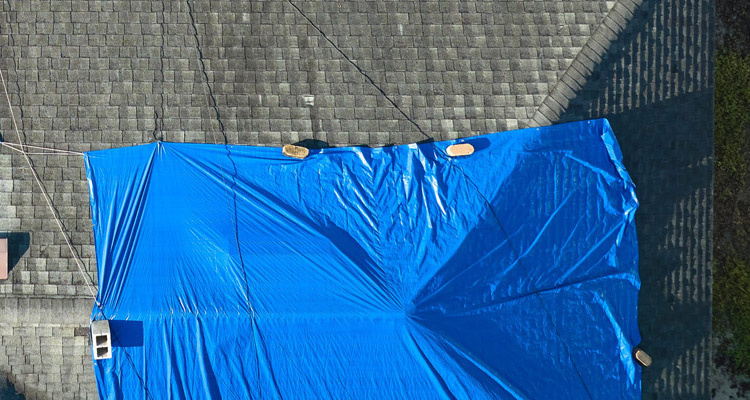
After a storm passes, it’s easy to assume your roof is fine if there are no obvious leaks or missing sections of roofing. At Emmons Roofing & Siding, we’ve found that some of the most costly roof repairs begin as minor storm-related issues that homeowners don’t notice from the ground. Throughout our service area, it’s common for wind to loosen shingles or for hail to damage roofing materials without creating immediate leaks. In many cases, homeowners don’t discover the problem until water intrusion, mold growth, or interior damage has already developed, turning a relatively simple repair into a much larger project.
However, even minor storm damage can create problems that worsen over time. Small issues such as lifted shingles, cracked flashing, or hail impacts may not seem urgent, but delaying repairs can lead to extensive damage and significantly higher costs down the road. Understanding what happens if you delay roof repairs after minor storm damage can help homeowners protect their property and avoid unexpected expenses.
Minor Roof Damage Can Quickly Become Major Damage
Storms often leave behind damage that is difficult to spot from the ground. High winds can loosen shingles, hail can weaken roofing materials, and flying debris can create small punctures or cracks. While these issues may appear insignificant at first, they leave your roof vulnerable to future weather conditions.
Once roofing materials are compromised, rainwater can begin working its way beneath the surface. What starts as a small roof repair can eventually become a major roofing project if the damage is left untreated.
Water Intrusion Can Cause Hidden Problems
One of the biggest concerns with delaying roof repairs is water infiltration. A roof’s primary purpose is to keep moisture out of your home. When storm damage creates openings in the roofing system, water can seep into the underlayment, decking, insulation, and even interior walls.
Because these issues often develop slowly, homeowners may not notice a problem until significant damage has already occurred. By the time water stains appear on ceilings or walls, extensive repairs may be necessary.
Common signs of hidden water damage include:
- Ceiling discoloration
- Peeling paint
- Damp insulation
- Musty odors
- Mold and mildew growth
Addressing storm damage early can prevent these costly secondary issues.
Mold Growth Becomes More Likely
Moisture trapped inside a home creates the ideal environment for mold growth. Once mold begins to spread, it can affect drywall, insulation, wood framing, and other building materials.
Besides property damage, mold can negatively impact indoor air quality and create health concerns for occupants. Mold remediation can be expensive and often requires much more work than the original roof repair would have. Repairing storm-related roof damage promptly helps keep moisture out and reduces the risk of mold development.
Structural Damage May Follow
Roof leaks don’t just affect the roofing materials themselves. Over time, water can weaken roof decking, rafters, support structures, and even sections of your home’s framing.
As wood repeatedly absorbs moisture, it can begin to rot and lose structural integrity. What could have been a straightforward repair may eventually require partial roof reconstruction or extensive structural repairs. The longer water is allowed to penetrate the roofing system, the greater the risk of serious structural damage.
Delaying Repairs Often Increases Costs
Many homeowners delay roof repairs after minor storm damage because they hope to save money or because the damage doesn’t appear severe. Unfortunately, waiting often has the opposite effect. A few damaged shingles or a small flashing repair can typically be addressed quickly and affordably. However, when moisture causes widespread deterioration, repair costs can increase dramatically. Additional expenses may include:
- Roof decking replacement
- Insulation replacement
- Interior drywall repairs
- Mold remediation
- Structural repairs
Taking care of minor storm damage early is usually far less expensive than addressing the consequences of prolonged neglect.
Insurance Claims May Become More Difficult
Many homeowners’ insurance policies expect property owners to take reasonable steps to prevent further damage after a storm. If repairs are delayed for an extended period, insurance providers may argue that some of the resulting damage was preventable.
Scheduling a professional roof inspection shortly after a storm helps document the condition of your roof and provides valuable information if an insurance claim becomes necessary.
Trust Emmons Roofing & Siding After Storm Damage
Even seemingly minor storm damage should never be ignored. Prompt inspections and repairs can prevent leaks, mold growth, structural issues, and costly repairs in the future.
At Emmons Roofing & Siding, our experienced team provides thorough storm damage inspections, honest assessments, and professional repair solutions to protect your home. Contact us online today to schedule a professional roof inspection and ensure your home remains protected for years to come.


