
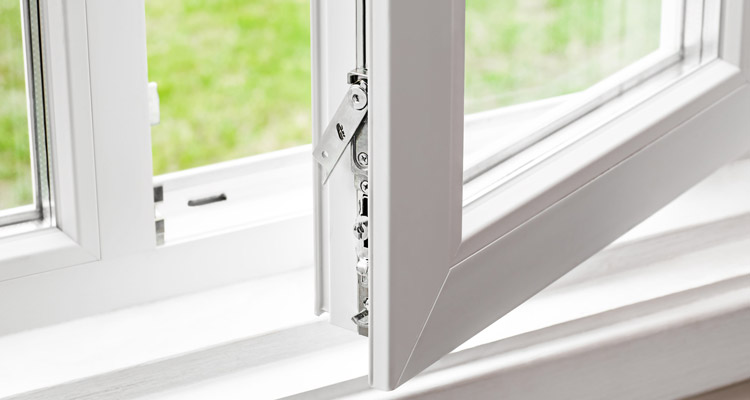
Many homeowners invest in new windows and doors, expecting improved comfort, lower energy bills, and the elimination of annoying drafts. At Emmons, we’ve found that persistent drafts are often caused by factors beyond the windows and doors themselves. In many of the homes we evaluate in our service area, air leakage can occur around aging trim, deteriorated exterior caulking, poorly insulated wall cavities, or other areas of the building envelope. Homeowners are often surprised to learn that while new windows and doors can significantly improve efficiency, underlying issues elsewhere in the home may still allow outside air to enter.
If you’re still feeling cold air near your windows or doors, the issue may not be the products themselves. Understanding what causes drafts even after installing new windows and doors can help you identify the problem and restore your home’s energy efficiency.
Potential Sources of Air Leaks Around Your Home
Improper Installation Can Create Air Leaks
One of the most common reasons for drafts after a window or door replacement is improper installation. Even high-quality products cannot perform as intended if they are not properly fitted and sealed.
Small gaps around the frame can allow outside air to enter the home and conditioned air to escape. These openings may not be visible to the naked eye, but they can significantly affect indoor comfort. Professional installation is essential to ensure windows and doors are properly aligned, insulated, and sealed against the elements.
Gaps Around The Window or Door Frame
In some cases, drafts originate from the space surrounding the window or door rather than the unit itself. During installation, the area between the frame and the home’s structure should be insulated and sealed to prevent air infiltration. If this space is not properly filled with insulation or sealing materials, air can move through the wall cavity and create noticeable drafts. Addressing these gaps can often resolve draft issues quickly and effectively.
Common signs of frame-related air leaks include:
- Cold spots near windows or doors
- Increased heating and cooling costs
- Whistling sounds during windy weather
- Uneven room temperatures
Worn or Damaged Weatherstripping
Weatherstripping helps create an airtight seal when windows and doors are closed. Although new units typically include weatherstripping, it can become damaged during installation or wear out over time.
If weatherstripping is compressed, torn, or improperly installed, outside air may be able to pass through small openings around the sash or door panel. Routine inspections can help identify weatherstripping problems before they significantly affect comfort and efficiency.
Drafts May Be Coming From Another Area
Many homeowners assume drafts are coming from their new windows or doors when the actual source is elsewhere. Air leaks can travel through wall cavities and emerge around windows, making it seem as though the new installation is the problem. A professional inspection can help determine whether the draft is truly related to the window or door system.
Other common sources of drafts include:
- Attic openings
- Poor insulation
- Roof penetrations
- Exterior wall cracks
- Gaps around utility lines and vents
Insulation Problems Can Affect Comfort
Even with energy-efficient windows and doors, insufficient insulation can make rooms feel drafty. Poorly insulated walls, attics, and crawl spaces allow outdoor temperatures to influence indoor comfort.
When insulation levels are inadequate, homeowners may notice cold spots near exterior walls that resemble window or door drafts. Improving insulation often works hand-in-hand with window and door upgrades to maximize energy efficiency.
Structural Settling Can Create New Gaps
Homes naturally shift and settle over time. As this occurs, small gaps can develop around windows, doors, trim, and exterior materials. Even if your windows and doors were installed perfectly, settling can eventually affect the seals surrounding them. Seasonal temperature fluctuations can also cause building materials to expand and contract, creating minor openings where air can enter.
Exterior Siding and Roofing Issues May Contribute
Your home’s exterior systems work together to protect against air and moisture infiltration. Damaged siding, missing trim, deteriorated flashing, or roofing issues can allow outside air to enter the building envelope.
In some cases, homeowners replace windows and doors expecting improved comfort, only to discover that drafts are actually being caused by deficiencies elsewhere on the exterior.
Turn To Emmons Roofing & Siding for Solutions
If you’re still wondering what causes drafts even after installing new windows and doors, it’s important to identify the root cause before energy costs continue to rise. Air leaks can originate from installation issues, insulation deficiencies, structural settling, or other exterior components that require professional attention.
At Emmons, our experienced team understands how all parts of your home’s exterior work together to improve comfort and efficiency. Whether you need window and door services, siding repairs, roofing solutions, or a complete exterior evaluation, we’re here to help. Contact us online today to schedule an inspection and find the source of those persistent drafts.


